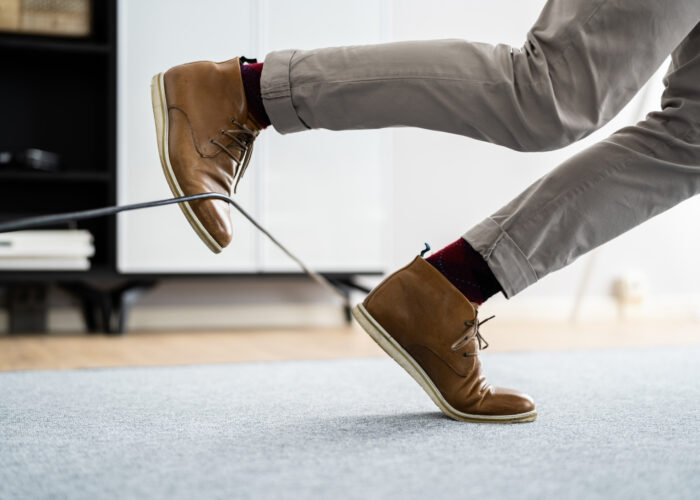
Slip and fall accidents in Jacksonville can happen in the blink of an eye but leave lasting consequences. If you’ve been injured due to unsafe conditions on someone else’s property, the slip and fall lawyers at Ward and Smith are here to help. We will work to hold negligent property owners accountable and fight for fair compensation. Call (919) 827-8475 today for a free consultation and let us help you on your path to recovery.
Proving Negligence in a Slip and Fall Case
Slip and fall accidents can happen anywhere—whether in a store, on a sidewalk, or in an office building. These types of accidents can lead to serious injuries, including broken bones, head injuries, and spinal cord damage. When they do occur, it’s important to understand how to prove negligence in order to pursue compensation for medical bills, lost wages, and pain and suffering. If you’ve been injured in a slip and fall accident in Jacksonville, knowing the key elements of negligence and how to prove them can make a significant difference in the outcome of your case.
Understanding Negligence
Negligence is the legal concept that refers to a person’s or entity’s failure to take reasonable care to prevent harm to others. In slip and fall cases, negligence typically involves the property owner’s failure to maintain safe conditions on their premises. To successfully prove negligence in a slip and fall case, you need to demonstrate four elements:
- Duty of Care
- Breach of Duty
- Causation
- Damages
Let’s look at these elements in more detail.
Duty of Care
Property owners have a responsibility to maintain safe conditions for visitors. This is called a “duty of care.” Whether the property is residential, commercial, or public, the owner or manager of the property is required by law to ensure it is free from hazards that could cause harm.
For example, a store owner must keep walkways clear of debris, fix broken flooring, and address wet spots that could cause someone to slip. A homeowner must make sure that the driveway and sidewalks are safe for guests to walk on. In some cases, the property owner’s duty of care might be more extensive, especially in places where the public has regular access.
In a slip and fall case, it is essential to prove that the property owner had a duty of care to keep the area safe. This is typically not difficult to establish, as most premises are assumed to have this responsibility to those who enter, whether they are customers, guests, or employees.
Breach of Duty
Once you establish that the property owner owed a duty of care, the next step is to show that they breached that duty. In other words, the property owner failed to maintain a safe environment. This is usually the core of a slip and fall claim.
A breach of duty can occur in various ways, such as:
- Failure to clean up spills: If there is a spill in a store aisle and the owner does not clean it up promptly or warn customers about it, they may have breached their duty of care.
- Negligent maintenance: Broken steps or uneven flooring that are left unattended could lead to a slip and fall accident. Failing to repair these hazards could be considered a breach of duty.
- Inadequate lighting: If a poorly lit parking lot or hallway causes someone to trip, this could be another example of a breach of duty, especially if the property owner knew about the lighting problem but did not address it.
To prove the breach, you will need evidence that shows the property owner knew, or should have known, about the hazardous condition. This can be difficult to prove, but it is a necessary part of a successful case.
Causation
The third element in a negligence case is causation. In order to win a slip and fall claim, you need to show that the property owner’s failure to maintain the premises directly caused your fall and resulting injuries. Essentially, you need to prove that the hazard on the property was the reason you fell.
For instance, if you slipped on a wet floor in a store, you will need to prove that the wet floor caused you to fall and that the store owner was negligent in allowing the hazard to exist. It’s important to show that your injuries would not have occurred if the dangerous condition had been addressed.
In some cases, the property owner may try to argue that your fall was caused by something unrelated, such as your own carelessness or an external factor. You may need to present medical records, eyewitness testimony, or other evidence to establish a direct link between the property’s condition and your injury.
Damages
Finally, you need to prove that you suffered damages as a result of the fall. This includes physical, emotional, and financial harm. To support this element, you’ll need to provide documentation of your injuries, treatment costs, lost wages, and other related expenses.
Damages can include:
- Medical expenses: Bills for hospital stays, doctor visits, surgery, medications, physical therapy, and other treatments related to your injury.
- Lost wages: If you were unable to work due to your injury, you may be entitled to compensation for the wages you missed.
- Pain and suffering: If your injury caused emotional distress or a loss of quality of life, you could receive compensation for the pain and suffering you endured.
- Property damage: If your property, such as clothing, glasses, or a phone, was damaged during the fall, you may be able to recover those costs as well.
By providing evidence of your damages, you can strengthen your case and make a compelling argument for compensation.
How to Gather Evidence to Prove Negligence
To prove negligence in a slip and fall case, evidence is crucial. The stronger your evidence, the more likely you are to achieve a favorable outcome. Here are some types of evidence you can gather:
Photographs and Videos
Take pictures of the hazard that caused your fall. If there was a wet spot, broken tile, or an obstruction in the walkway, capturing the condition of the area can serve as powerful evidence. If possible, take photos immediately after the accident to preserve the condition of the site.
Eyewitness Testimony
If anyone witnessed your fall, their testimony can be invaluable in proving the circumstances of the accident. Eyewitnesses can provide an account of the hazardous condition and how it led to your fall.
Incident Report
If you are involved in a slip and fall accident in a public place or store, report the incident to the manager or property owner right away. Make sure they document the event and provide you with a copy of the incident report.
Medical Records
Your medical records are essential to proving the extent of your injuries. These records will show the injuries you sustained from the fall, as well as the treatments you received and how the injury has impacted your life.
Maintenance Records
In some cases, property owners are required to maintain records of repairs, inspections, and safety measures. These records can show whether the owner was negligent in maintaining the premises.
Pursue Justice with a Slip and Fall Attorney
If you’ve been injured in a slip and fall accident in Jacksonville, it’s important to consult with an experienced personal injury attorney. A lawyer can guide you through the legal process, help you gather the necessary evidence, and ensure that you pursue the compensation you deserve.
The slip and fall attorneys at Ward and Smith are ready to help you hold negligent parties accountable. We will fight for the compensation you deserve and work tirelessly to ensure your rights are protected. Call (919) 827-8475 for a free consultation today and take the first step toward your recovery.
On September 6, 2023, the Department of the Navy ("Navy") announced a framework for evaluating and potentially settling a limited number of claims brought under the Camp Lejeune Justice Act.
Article
Camp Lejeune Water Contamination
Personal Injury and Wrongful Death
Ready to get started?
Contact our team today.